Best Fence Materials for Tulsa's Oklahoma Clay Soil and Wind Conditions in 2026 — What Local Fence Contractors Recommend
Tulsa sits in a high-wind zone with expansive red clay that swells with seasonal moisture and contracts as it dries, placing significant stress on fence posts. Local fence contractors in Tulsa consistently recommend deep post holes with concrete footings to prevent leaning and shifting over time. This guide breaks down the four most common fence materials used across Tulsa and explains how each holds up against those specific conditions.
Why Tulsa's Soil and Wind Make Material Selection So Critical
The ground across Tulsa is heavy red clay that puffs up after a wet spring and pulls back tight in a dry summer. That seasonal movement can shove a shallow post out of line. Strong straight-line winds and storm fronts off the plains hit Tulsa hard, and an unbraced fence can act like a sail, so post spacing and panel style matter considerably.
Many local fence contractors set posts 36 to 42 inches deep in concrete in Tulsa's expansive clay, notably deeper than national guidelines recommend, resulting in a fence that holds its position for the long haul.
Chain Link, Cedar, Wrought Iron, or Vinyl: Which Fence Wins in Tulsa?
A qualified local fence contractor serving Tulsa, OK can help you match the right option to your property's layout and soil conditions. Here is how the four main materials stack up.
Chain Link
Chain link is a practical, wind-resilient choice for Tulsa properties. Its open mesh allows wind to pass through rather than catch it, avoiding the sail effect that solid panel fences can create during storm season. Posts should still be set at least 36 inches deep in concrete to maintain stability in clay soil. Chain link works well for yards along South Peoria, commercial lots near the BA Expressway, and properties with large dogs or livestock. It is one of the lower-maintenance options available and holds up well across Oklahoma seasons.
Cedar Wood
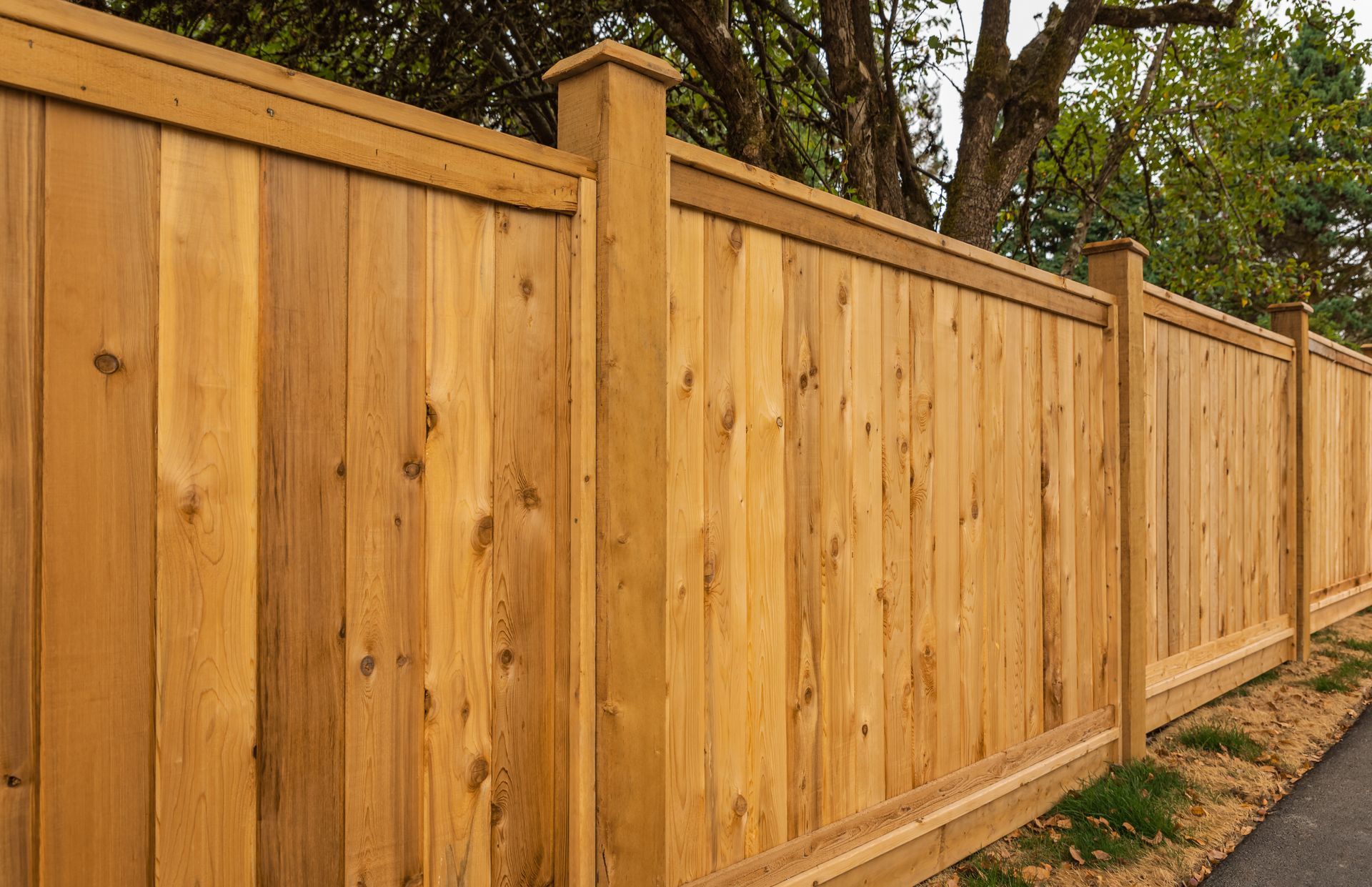
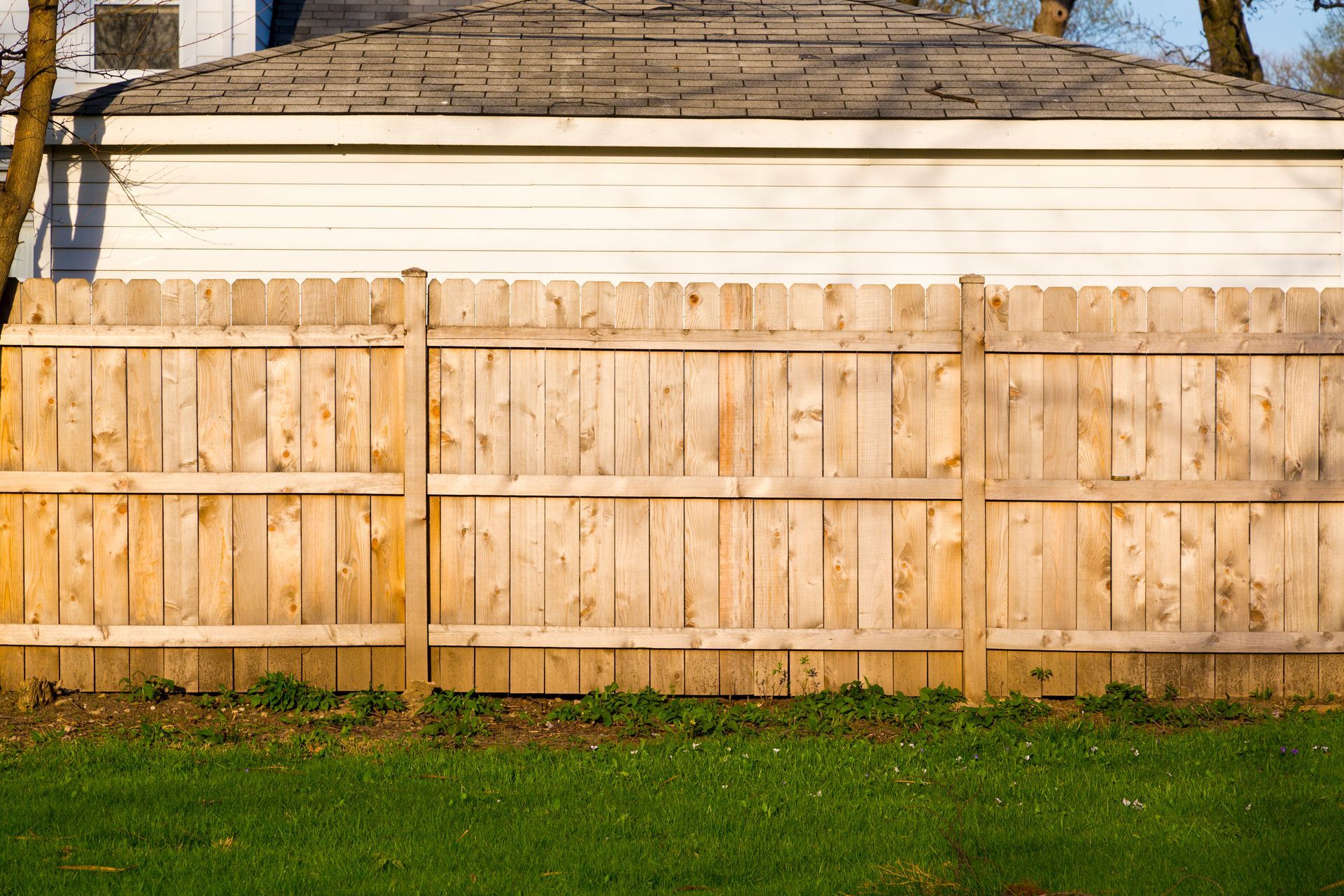
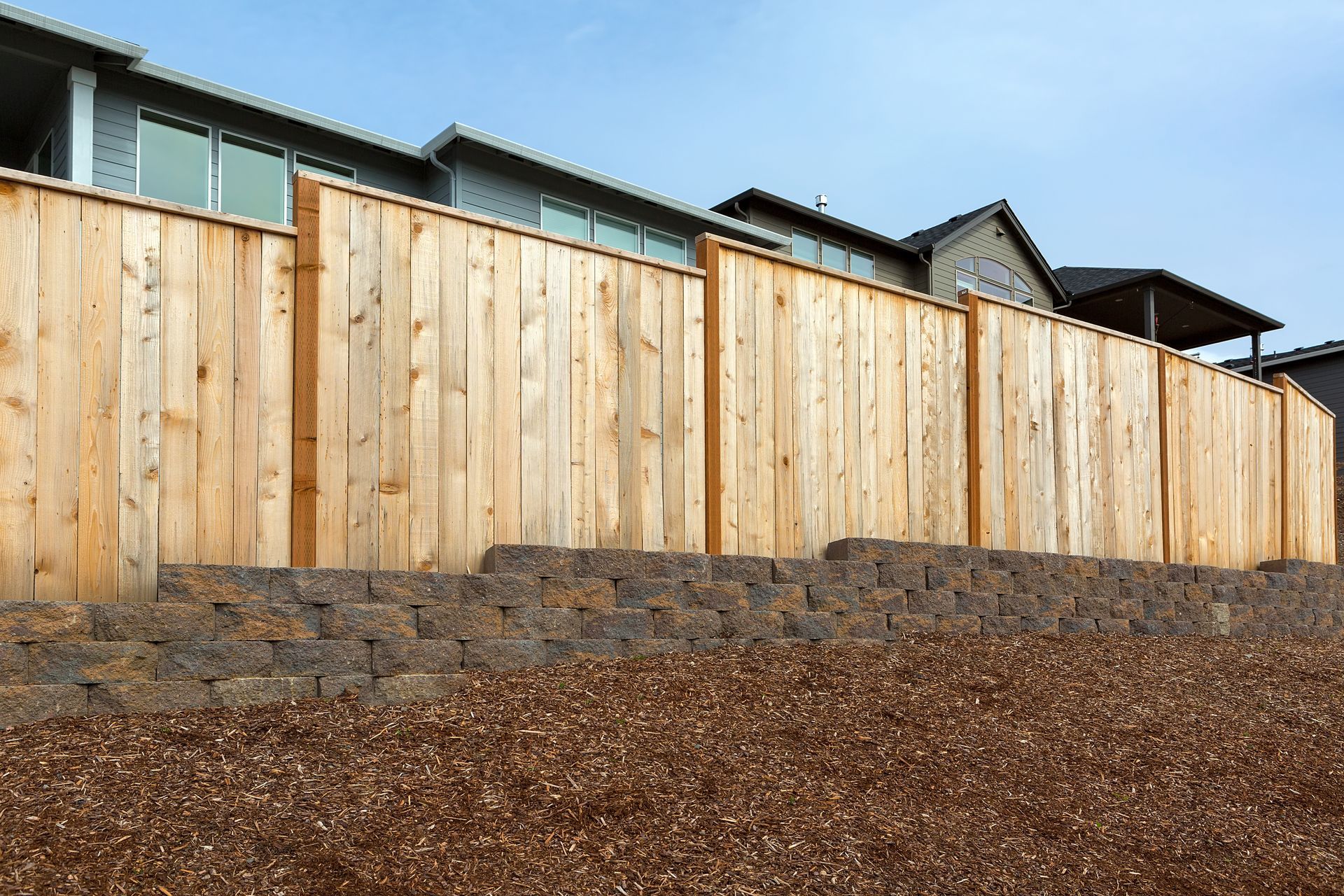
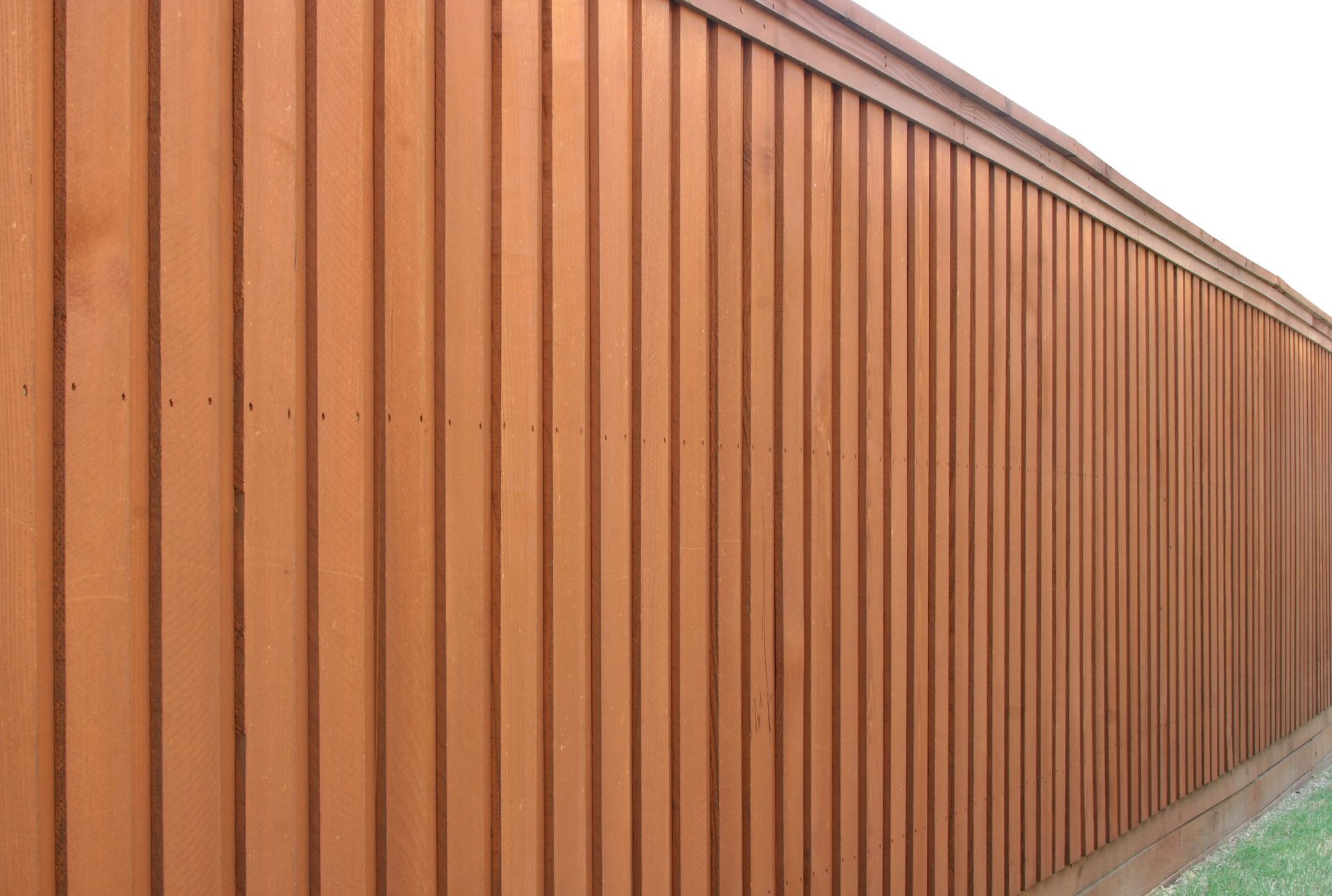
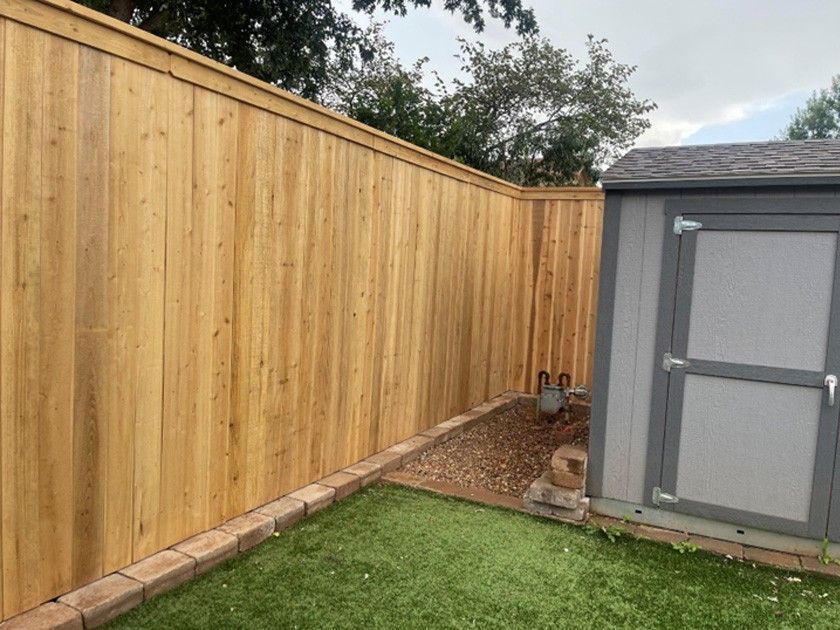
Cedar is a popular choice in Tulsa neighborhoods like Midtown, Cherry Street, and South Tulsa. It handles Oklahoma heat and wind well and offers a natural appearance that complements residential streetscapes. The trade-off is that clay retains moisture against the post, accelerating rot, so local fence contractors typically recommend a gravel base at the bottom of each post hole to improve drainage. Solid panels act as wind sails during severe weather, so posts spaced every six to eight feet, with adequate depth and quality concrete, keep a cedar fence standing. Annual sealing or staining protects against Oklahoma's humidity and UV exposure.
Wrought Iron
Wrought iron performs well where aesthetics and security both matter, such as historic Tulsa neighborhoods near Brookside or properties with formal landscaping. Its open-panel design allows wind to move through freely, reducing lateral pressure on posts during storms. The main consideration in Tulsa's clay environment is rust prevention. High-quality powder coating minimizes long-term maintenance costs in Oklahoma's climate. Wrought iron typically requires deeper, larger concrete footings given its weight, making professional installation by local fence contractors especially important.
Vinyl
Vinyl fencing offers low maintenance and strong weather resistance, appealing to homeowners who want a clean look without regular upkeep. It outperforms wood fencing in windy conditions and holds up well against UV and weather exposure. In clay-heavy soil, vinyl posts still need deep concrete footings to prevent rocking during wet-season soil shifts. Solid vinyl panels can flex significantly during severe Oklahoma storms, so reinforced post systems are worth considering. Local fence contractors familiar with Tulsa's soil can advise on the right post reinforcement for your specific lot.
Oklahoma-Specific Installation Tips for Any Material
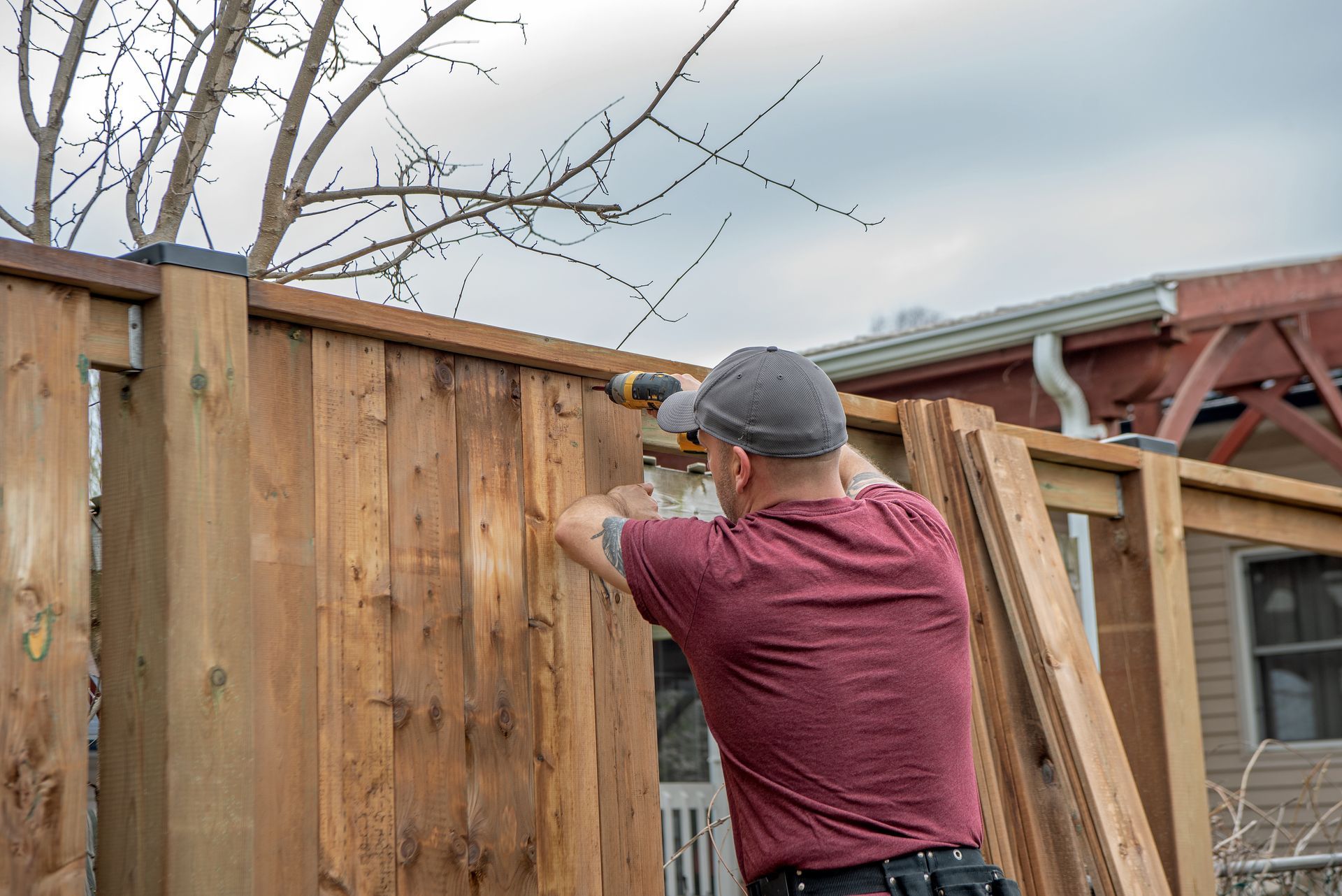
Good material selection only goes so far without proper installation. Local fence contractors in Tulsa, OK, commonly apply these practices:
- Set posts a minimum of 36 inches deep in concrete to account for Tulsa's expansive red clay.
- Add a gravel layer at the base of each post hole to promote drainage and reduce moisture contact with posts.
- Space posts no more than six to eight feet apart on solid panel fences to manage Oklahoma wind load.
- Check with your HOA before installation, as many Tulsa-area neighborhoods regulate fence height, material, and color.
- Pull the required permit from the City of Tulsa Permit Center before breaking ground.
For a full overview of available options, the fence supply page covers materials for Tulsa-area projects.
Does My HOA Restrict What Fence Material I Can Use in Tulsa?
Many HOAs in Tulsa communities, including those in South Tulsa and Broken Arrow, regulate fence materials, heights, and finishes. Common restrictions include prohibiting chain link in front yards, requiring specific color tones, or limiting height to four or six feet. Always request a copy of your HOA's fencing guidelines before purchasing materials or scheduling installation.
What Time of Year Is Best for Fence Installation in Tulsa?
Spring and fall are generally the best times for fence installation in Tulsa, when ground conditions are workable and neither frozen nor waterlogged. Late September through early November tends to offer the most stable soil and weather conditions across Tulsa County.
Get Expert Help From a Team That Knows Tulsa Fencing
Picking the right fence material for Tulsa's clay soil and wind conditions does not have to be complicated. Synergy Fencing & Materials serves the Tulsa, OK, area with professional installation, quality materials, and competitive pricing across all four major material types. As trusted fence contractors, the Synergy team brings hands-on knowledge of Tulsa's soil and wind challenges to every project.
Call the Tulsa line at (918) 321-0094 or request a free estimate online today. You can also find Synergy Fencing & Materials on Google to read reviews from Tulsa homeowners.